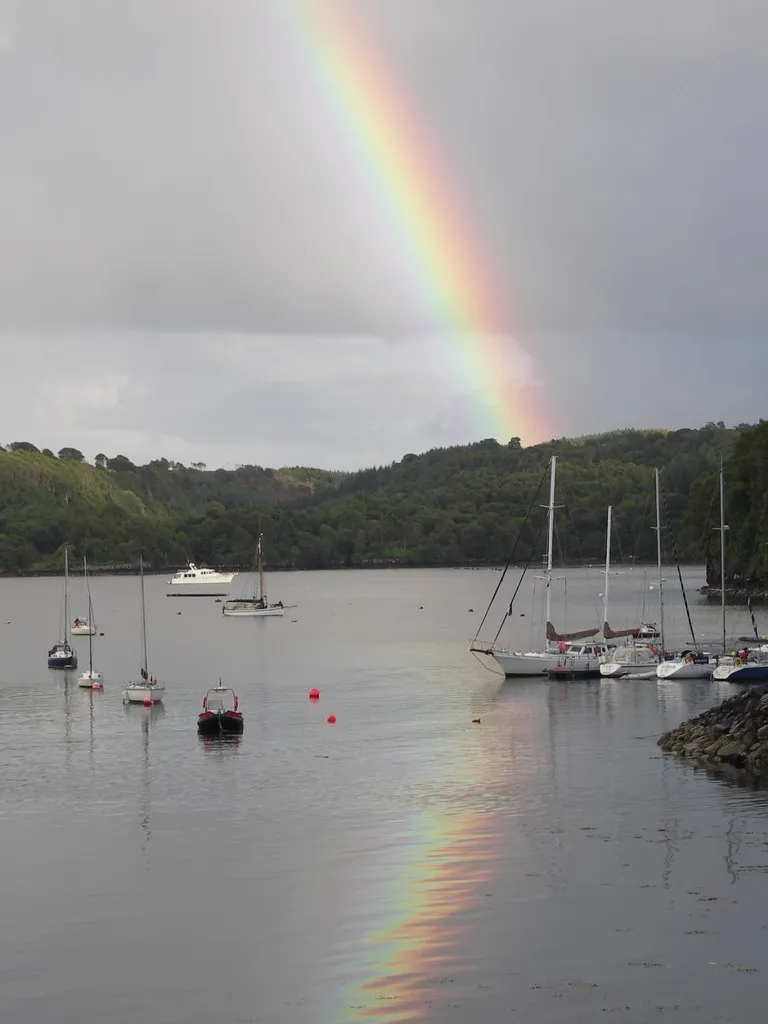
Short Days, Wide Skies: A Winter Stay on Mull's Quiet Coast
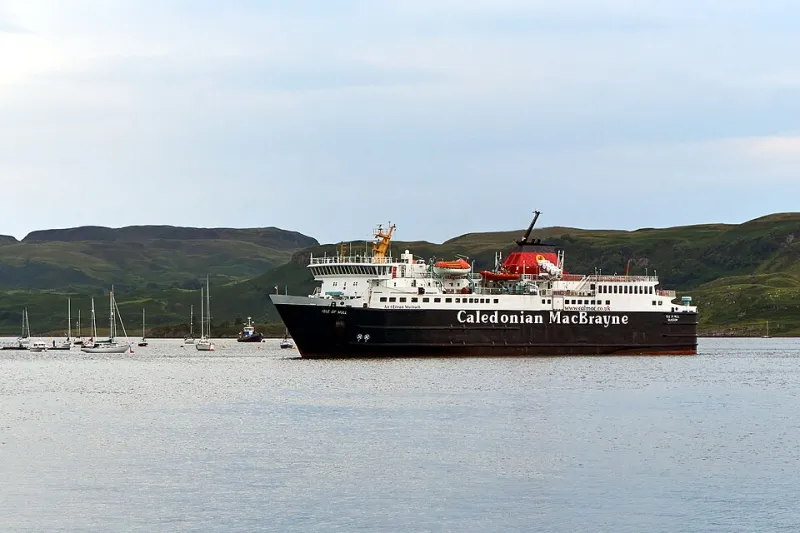
Photo: Virtual-Pano, CC BY 4.0, via Wikimedia Commons
Winter on Mull does not mean the island shuts down. It means the ferry timetable thins out, the car parks empty, and the coast takes on a sharper, quieter character. For UK escape-seekers who would rather have a fireside seat than a queue for a boat trip, the months between November and March are generous in their own way. This guide is written for the 2026/27 season, with the practicalities of short daylight hours and changeable weather at its heart.
Plan around the light, not the clock
In midwinter, Mull gets roughly seven hours of daylight. Sunrise is late and sunset arrives before you expect it, so the most useful thing you can do is build your day around one main outing rather than a list. Check the CalMac Oban–Craignure timetable before you book anything else; winter sailings are reduced and weather cancellations are part of island life. If you can, travel in daylight and keep your first evening free. A headtorch and a power bank are not overpacking in winter; they are sensible.
Choose a base that is actually open
Many of Mull's coastal hotels, guesthouses and self-catering cottages close for the season, so confirm before you fall in love with a view. Craignure is the easy choice for ferry arrivals, with a handful of places near the terminal. Tobermory has the most year-round life: a harbour, a Co-op, pubs and a few places to eat. Salen works well for a central coastal base, while the Loch na Keal area is the one to pick if wildlife is the priority. Look for somewhere with proper heating, a drying space and a walkable dinner option. Two or three nights minimum is kinder than a one-night dash.
Weatherproofing, the unglamorous bit
Mull's weather is not malicious, just fast-moving. Bring a waterproof shell, warm mid-layers, waterproof boots and spare gloves. A flask is worth its weight. Roads can be icy and pavements slippery, so if you are driving, check conditions before setting out. Power cuts are not unusual in winter storms; a torch and a charged phone matter more than a fancy camera. Mobile signal is patchy away from the main villages, so download maps and ferry information before you leave.
Wildlife in the slow season
Winter is excellent for otters and white-tailed eagles, partly because there are fewer people about. Otters are most active early morning along sheltered coastlines; Grasspoint, the shores of Loch na Keal and Calgary Bay are good places to scan quietly. Look for prints and spraint rather than expecting a close encounter, and keep your distance. White-tailed eagles are often seen around Loch na Keal and Glen Seilisdeir, perched in trees or drifting over ridges. Bring binoculars and give yourself time. Red deer, hen harriers, ravens and grey seals fill in the gaps. Boat trips are limited in winter, so this is a land-based, patient kind of wildlife watching.
Short walks that fit a short day
The best winter walks are low, sheltered and easy to abandon. The walk from Craignure towards Duart Castle is a good half-day outing, with the castle as a landmark rather than a guaranteed visit; check opening before you rely on it. In Tobermory, Aros Park has wooded loops, a waterfall and views back over the harbour, and the lighthouse path is a short leg-stretch with a rewarding outlook. Calgary Bay offers a white-sand beach and a short woodland walk, while the roadside pull-ins along Loch na Keal are less walk and more watch. Avoid exposed ridges and high ground when the wind is up.
Evenings, food and the art of doing less
Winter evenings are long, so book dinner ahead where you can; kitchens often close earlier than in summer. Tobermory has the best choice, with pubs and a few restaurants, while Craignure is quieter. If you are self-catering, stock up in Oban before the ferry or at the Tobermory Co-op. This is the season for long dinners, books and a dram by the fire. Do not feel obliged to fill every hour.
A sample winter day
Start with a flask and a slow breakfast, then drive or walk to a sheltered coast for an hour of otter watching. Have lunch somewhere warm, take a short afternoon walk, and be back before the light goes. Spend the last hour of daylight at a viewpoint, then retreat. It is not a busy day, and that is the point.
Practical notes for 2026/27
Check CalMac sailings, accommodation opening dates and bus timetables before booking. Winter ferries can be cancelled at short notice, so build in slack and consider travel insurance. Christmas and New Year fill up early. Midges are absent, which is a genuine bonus. Above all, pack for the weather you might get rather than the weather you want, and leave room for a day when the island asks you to stay put.