Breezy Picnics and Bitten Ankles: A Sensible Guide to Mull's Midge Months
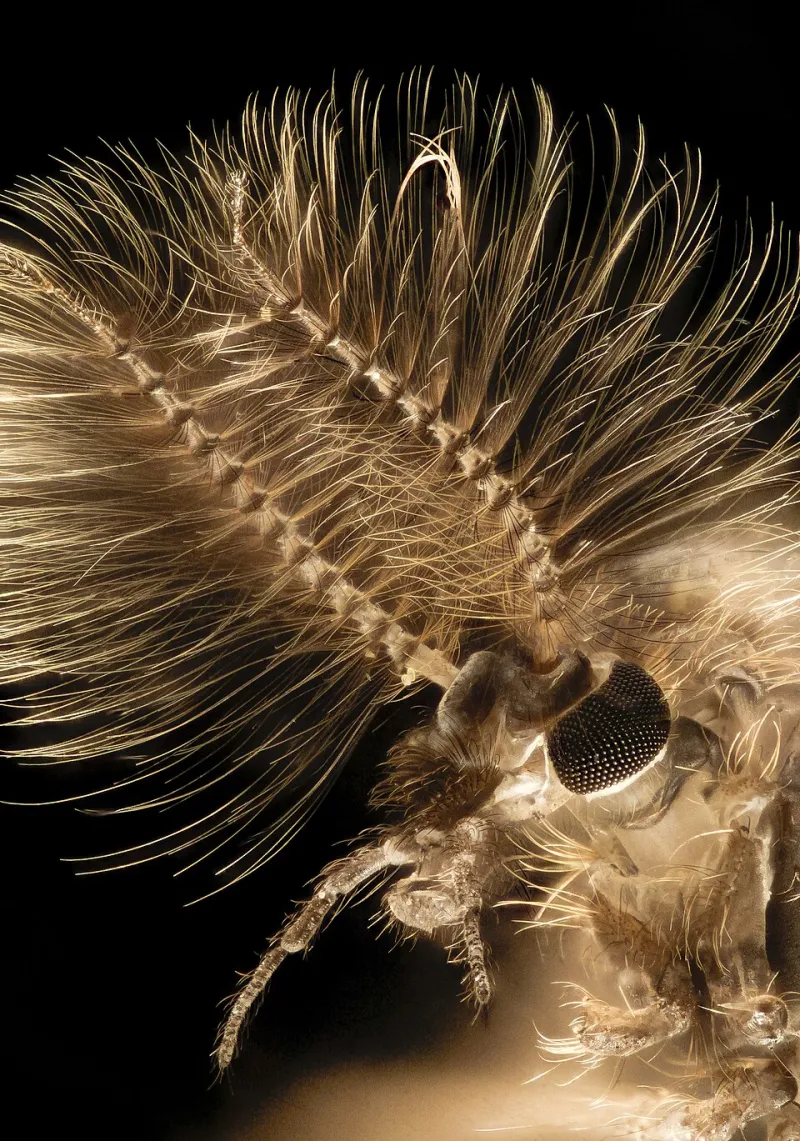
Photo: USGS Bee Inventory and Monitoring Lab from Beltsville, Maryland, USA, Public domain, via Wikimedia Commons
Let us be honest: Mull has a biting season. It is not a myth invented by campsite owners, and it is not a reason to write off the island. It is a stretch of weeks when the small, damp, windless places fill with midges. Plan around them and you will still get the coast, the otters and the long evenings. Plan as if they do not exist and you will spend a lot of time slapping your own ankles.
When the worst weeks tend to fall
The season usually runs from late May into early September, with the peak falling in June, July and August. It is not uniform. Midges like calm, humid, overcast conditions best. A still morning after rain, a sheltered campsite in a hollow, an evening beside a loch with no breeze — those are the classic midge moments. Bright, breezy, sunny days are your friends.
There is no point pretending otherwise: some weeks are worse than others. If you are sensitive to bites, aim for the edges of the season or build in flexibility. A midge forecast is worth checking alongside the weather, and local advice is worth listening to. But do not let a bad forecast put you off entirely. The island is big enough to find a breezier corner.
Where the coast helps
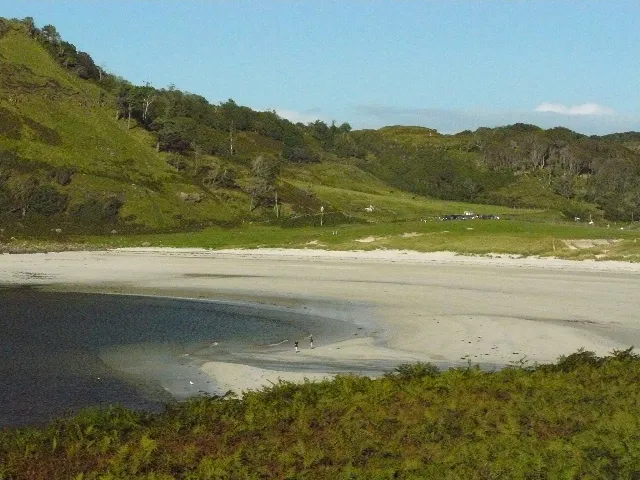
This is the good news for anyone planning a coastal stay. Midges are weak fliers, and they dislike wind. Exposed beaches and headlands on the west coast — Calgary, Uisken, Fidden, Langamull — are generally much more comfortable than sheltered woodland or loch-side spots. The sea breeze often picks up through the middle of the day, which is exactly when you want to be out walking.
If you are booking a cottage, look for open ground, a bit of elevation, and good window screens. A place with a breeze is worth more than a place with a pretty sheltered garden. Campsites in hollows or under trees will feel the midges more than a site on open machair. And if you are eating outside, choose the picnic table in the wind rather than the cosy nook behind the wall.
What actually works in the kit bag
A head net is the least glamorous and most effective thing you can pack. It looks ridiculous; it works. Pair it with a repellent containing picaridin or DEET, applied to exposed skin, especially ankles and wrists. Long sleeves and trousers help, particularly in the evening. Antihistamine cream and tablets are useful for the morning after, and a pair of tweezers is handy for ticks, which are a separate issue but worth mentioning.
Citronella candles are pleasant, not a strategy. A wee dram does not repel midges, though it may improve morale. If your cottage lacks screens, a travel midge net for the door or window is a sensible addition. And do not rely on a single product; combine a net, a repellent and a bit of breeze-awareness.
Planning a wildlife day around the little things
Otters are most active early and late, which is unfortunately also prime midge time. The compromise is to choose an exposed coast with a breeze, keep moving, and use binoculars from a respectful distance. Sea eagles are often best watched from open viewpoints where the wind keeps the midges down. If you are heading into sheltered woodland or along a still loch, go in the middle of the day and do not linger.
The car is a useful refuge. A flask and a picnic in the boot mean you can retreat without abandoning the day. If the midges are bad, change the plan rather than toughing it out: go to a beach, not a forest trail. The wildlife will still be there tomorrow.
A realistic coastal stay
You will not beat the midges entirely. You will just have fewer bites. Choose the breezy side of the island, ask about screens before you book, and pack the head net even if you feel silly. Midges in Scotland do not carry disease; they are mostly an annoyance. Annoyance is manageable. A coastal stay on Mull is still one of the best things you can do with a long weekend — just do not forget your ankles.