Mull's Wild Year: A Seasonal Planner for Coastal Stays and Short Walks
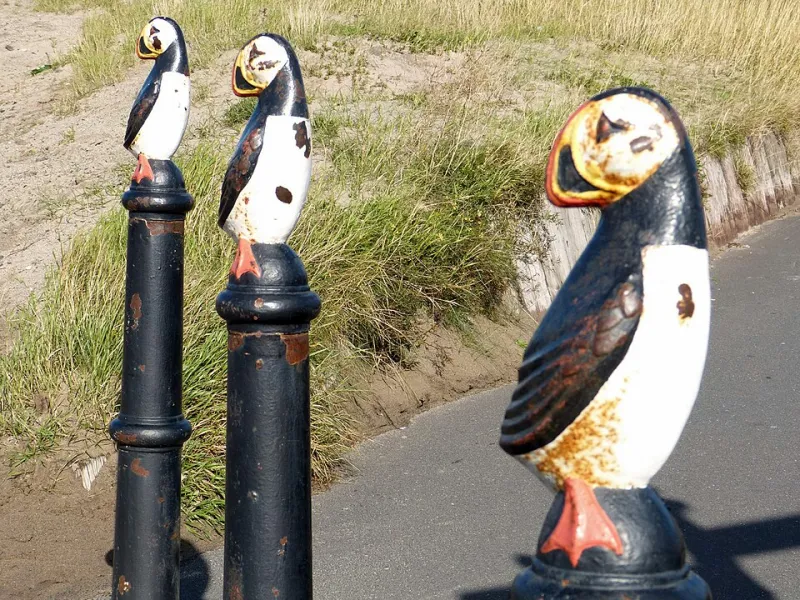
Photo: David Clark , CC BY-SA 2.0, via Wikimedia Commons
Mull is not a wildlife checklist. It is a wet, bright, windy island where the best sightings often arrive while you are doing something else: eating a sandwich on a harbour wall, walking back from the shop, or waiting for the rain to pass. The trick is to choose your month with realistic expectations and then give yourself enough time to be lucky.
This is a planner, not a promise. Use it to decide when to book, where to base yourself and which short walks to keep up your sleeve. Always watch from a respectful distance, keep dogs close, and never pressure an animal for a photograph.
January: quiet coasts and patient hours
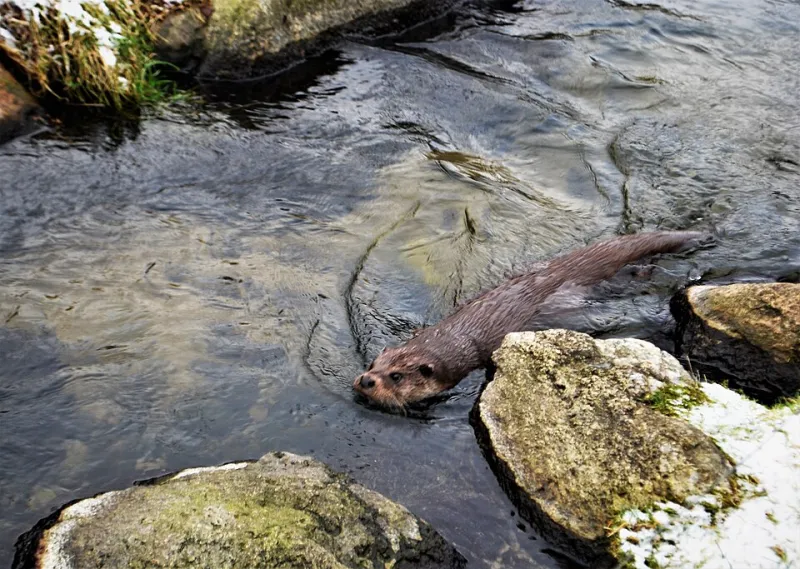
Midwinter is for people who like empty beaches and low light. Grey seals are around, but pupping is largely over on many haul-outs, so keep your distance and let them rest. Otters are possible on quiet shorelines, though never guaranteed. Sea eagles are easier to see once leaves are down, and deer often move closer to sheltered woodland.
Stay: Tobermory or Craignure for practical amenities and shorter drives. Walk: Aros Park for sheltered woodland and water views; Craignure to Scallastle Bay for a bracing coastal stretch.
February: the first stirrings
Days lengthen and seabirds begin to return to cliffs, though the weather can still be fierce. Look for fulmars and early cliff-nesters, and keep an eye on the sea for the first cetacean reports. This is still a month for waterproofs and flexibility.
Stay: a coastal cottage near Loch na Keal if you want wild weather and big skies, with a backup night near Craignure. Walk: the shore at Loch na Keal on a calm day, with binoculars and no fixed destination.
March: hares, hedges and returning birds
March feels like the island waking up. Brown hares can be visible in open ground, though they are easily disturbed. Seabird colonies start to fill, and raptors become more active as breeding season approaches. Expect sudden squalls and plan short outings between them.
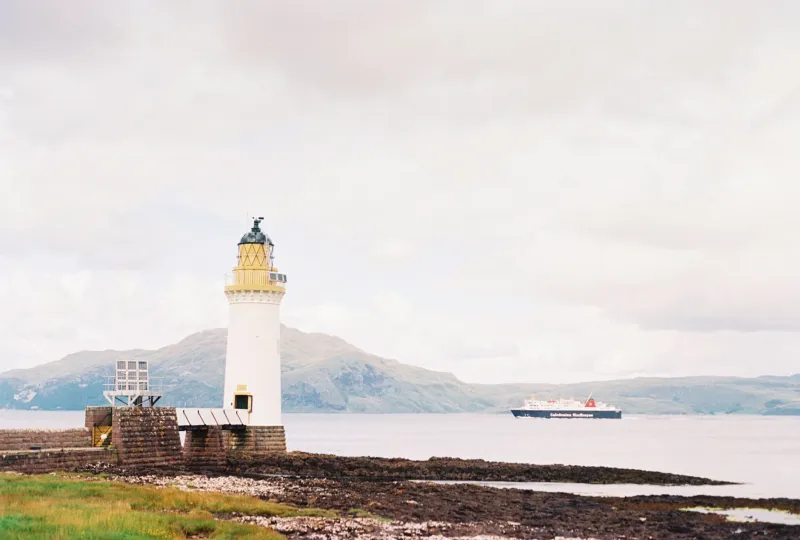
Stay: Tobermory for harbour walks and easy access to the north. Walk: the Tobermory lighthouse path for a short, salty leg-stretch.
April: puffins and cliff theatre
April is when many visitors first feel the seabird season begin. Puffins, guillemots and razorbills return to colonies, and boat trips to the Treshnish Isles may start depending on conditions and operator schedules. Sea eagles are busy. Book wildlife trips early and keep a weather buffer.
Stay: near Calgary or Dervaig for the north-west coast and shorter runs to boat departures. Walk: Calgary beach and the surrounding machair for a gentle coastal amble.
May: peak seabird energy
May is one of the best all-round months. Seabird colonies are noisy and active, puffins are on land, and the first minke whales and dolphins are reported. Days are long enough for an evening walk. The island is busier, so book stays and boat trips well ahead.
Stay: Tobermory or the west coast, depending on whether you want harbour life or quiet shores. Walk: Langamull beach on the north coast, a short walk with a wild feel and no need to rush.
June: long light and cetaceans
June offers the longest days and a real chance of cetaceans from shore or on a responsible boat trip. Puffins remain on their colonies. Basking sharks are sometimes seen in calm, plankton-rich water. This is a month for patience on headlands and a willingness to change plans when the sea state turns.
Stay: a coastal cottage near Loch na Keal or the Ross of Mull for wildlife-rich water. Walk: the shore paths around Loch na Keal, keeping well back from haul-outs and nests.
July: summer on the water
July is warm by Mull standards, busy and full of life. Minke whales, dolphins and porpoises are possible, and seabird colonies are still active. Midges are part of the deal on still evenings, so pack repellent and choose breezy spots. Book ferries and accommodation early.
Stay: Craignure for easy ferry access and a central base. Walk: Scallastle Bay from Craignure, best done early or late in the day.
August: seals, seabirds and school holidays
August is family season. Seabird chicks are fledging, seals are more visible on rocky shores, and the sea can be calm enough for boat trips. It is also peak holiday time, so expect company at the best-known stops. Use quiet mornings and stay off sensitive ground.
Stay: Tobermory for shops, harbour life and easy day trips. Walk: Aros Park again, but take the longer woodland loops if the day is fine.
September: the deer rut begins
Late September brings the first rumbles of the red deer rut. Stags become vocal and visible, especially in the early morning and evening. Keep a generous distance, never approach a stag, and use a long lens or binoculars. Seabirds are leaving, but the island feels calmer.
Stay: a quiet coastal cottage near Glen More or Loch na Keal for early rutting activity. Walk: forest edges and open glen paths at dawn, with no attempt to follow deer off-path.
October: autumn colour and roaring glens
The rut is in full swing in October. Red deer are the headline, but geese arrive, seals gather and the light turns golden. Weather can be wet and changeable. This is a month for slow mornings, short walks and a flask.
Stay: Tobermory or Craignure, with a flexible last night near the ferry. Walk: Aros Park for autumn colour, or a low-level shore walk when the hills are clouded.
November: seal pupping and short days
November is grey seal pupping season on many Scottish coasts. Keep well away from pupping beaches, never approach white-coated pups, and follow local signage. Short days mean you should start walks early and carry a torch. The island is quiet, which is part of its appeal.
Stay: a winter-friendly coastal cottage with good heating and a short drive to the ferry. Walk: Craignure to Scallastle Bay on a dry morning, with a backup plan for rain.
December: winter birds and harbour light
December brings winter birds, restless seas and low, beautiful light. Expect rain, wind and cancelled boat trips. This is not a month for bucket-list wildlife, but it is a wonderful time for harbour walks, cosy stays and the chance of an otter at a quiet shore.
Stay: Tobermory for harbour atmosphere and a short walk to dinner. Walk: the lighthouse path at Tobermory, timed for the brief daylight window.
The best month for you depends on what you want. For seabirds, aim for late spring. For deer, autumn. For quiet coasts and seals, winter. Whichever you choose, leave room for Mull to surprise you, and let the wildlife decide the pace.