Where the Otters Are: Six Mull Walks You Can Lead Yourself
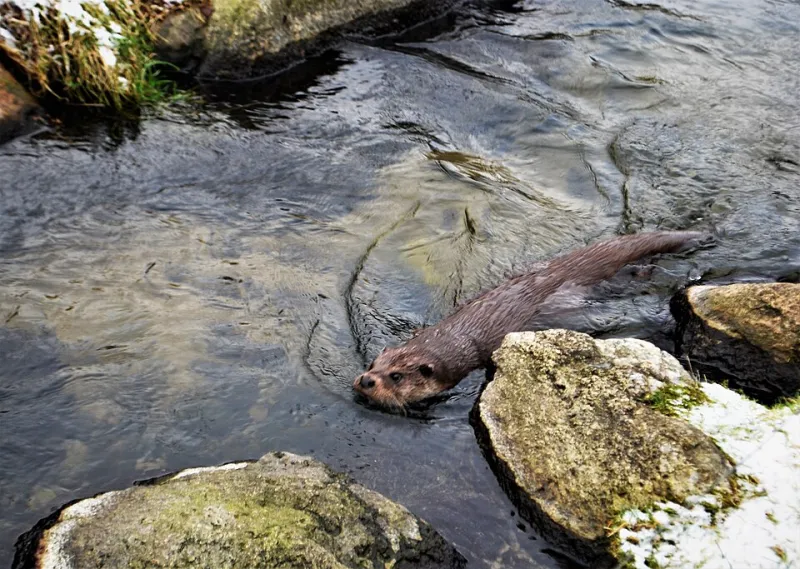
Photo: Erik Christensen, CC BY-SA 4.0, via Wikimedia Commons
There is nothing wrong with a guided wildlife tour. The good ones on Mull are excellent, and if you want a white-tailed eagle at close range with someone who knows every eyrie on the island, book one.
But you do not need to. A fair amount of Mull's wildlife is visible from a footpath, a beach or a lay-by, if you get the tide and the hour roughly right and then keep your voice down. These six walks are the ones we would send a friend on — short, self-guided, and close enough to a cup of tea that a wet morning is not wasted.
Before you set off
Four things, every time.
- Check the tide table. Several of these walks are best on a falling tide, and one crosses ground that is impassable at high water.
- Go early or go late. Otters and eagles are both crepuscular by preference and much less bothered by people before nine in the morning.
- Take binoculars. You will see ten times more, and you will keep your distance, which matters.
- Follow the Scottish Outdoor Access Code and the marine wildlife watching code. Stay well back, keep dogs on a lead near livestock and never beach a boat or a person between a seal and the water.
And a general rule that costs nothing: if an animal changes what it is doing because of you, you are too close. Back off quietly and it will usually settle.
1. Grasspoint, Loch Don
The walk: A short, easy amble down to the old pier on the Firth of Lorn side of Loch Don, with wide views across to Kerrera and the mainland. Fifteen to twenty minutes each way, mostly on a track.
What you might see: Otters fishing the shallows, common and grey seals, red-breasted mergansers, and a genuine chance of a white-tailed eagle over the ridge. The spit of land here is one of the more reliable otter spots on the island, which is not the same as a guarantee.
Timing: The two hours either side of low water, when the exposed shoreline is at its most productive. Scan slowly. Otters show as a dark head, a roll, a swirl of water — most people walk past their first three.
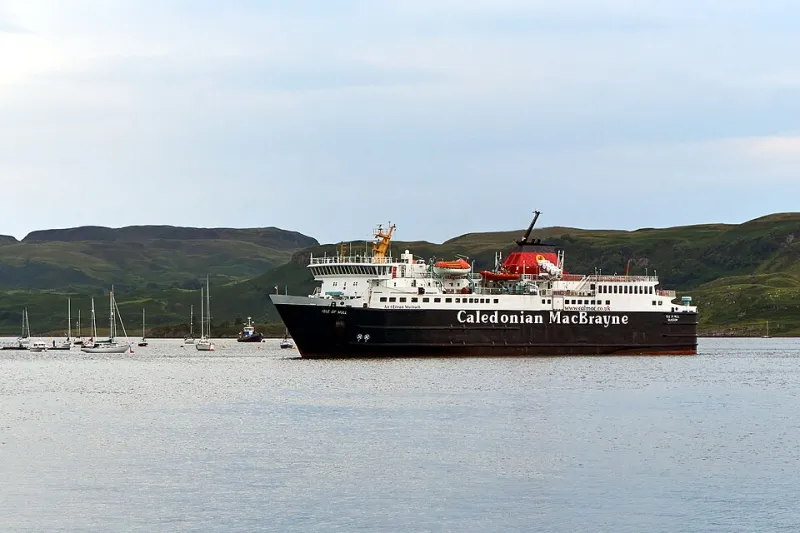
Afterwards: Back to Craignure, where the inn does a decent plate of something warm and the ferry traffic provides entertainment.
2. Killiechronan and Loch na Keal
The walk: From the beach at Killiechronan, follow the shoreline or the quiet road east towards Salen. Flat, straightforward, and easy to cut short if the weather turns.
What you might see: This is eagle country. The cliffs and woods above Loch na Keal hold both golden and white-tailed eagles, and the shore itself is good for otters, herons and passing divers in winter. Seals haul out on the skerries at the mouth of the loch.
Timing: Morning light is best here, and the tide matters less than the wind — a flat calm loch with a low sun is when the surface gives up its secrets. Give any eagle you spot a very wide berth; nest sites are sensitive and disturbance is taken seriously.
Afterwards: The Salen area has cafés and a hotel; check seasonal opening before you rely on it in November.
3. Lochbuie to Laggan Sands
The walk: A gentle mile or so along the shore from the head of Loch Buie towards Laggan Sands, with the old chapel and MacCain's house as landmarks. Rough grass in places, but nothing taxing.
What you might see: Seals in the bay, oystercatchers and ringed plover on the sand, and otters working the kelp at the mouth of the loch. The woodland behind the shore is alive with warblers in spring.
Timing: Best on a rising tide for seals, which drift in to inspect the shallows. Avoid the walk entirely in a strong south-westerly — this coast takes the weather full on.
Afterwards: The Lochbuie tearoom is seasonal and small, so bring a flask as backup and treat a hot drink as a bonus rather than a plan.
4. Aros Park and the Tobermory shore
The walk: Forest tracks and a waterfall above Tobermory, with an easy route down to the harbour. An hour will do it, or stretch it to two with the full loop.
What you might see: Herons and black guillemots around the harbour wall, woodland birds in the policy woods, and — occasionally, and thrillingly — an otter in the bay itself, sometimes at quite antisocial hours of the day.
Timing: Any time, which is the point. This is the walk for the day the cloud is down and the hills have vanished. Harbour wildlife is less tide-dependent than open coast.
Afterwards: Tobermory has the most choice on the island: a café, a chippy, a pub with a fire. No hardship.
5. Calgary Bay
The walk: The beach itself, then the sculpture trail through the trees behind it. Half a mile to a couple of miles depending on how much you dawdle.
What you might see: Seals offshore, gannets and terns working the bay in summer, and waders on the sand at low tide. The machair behind the beach is worth a slow look in June.
Timing: Low tide opens up the sand and the rock pools, which is where the interest is for children and adults alike. Note that the car park is popular and fills quickly in high season — arrive before ten in summer.
Afterwards: The tearoom and gallery at Calgary are seasonal, so again, check before pinning your day on them.
6. Gribun and the Balmeanach shore
The walk: Park near Gribun and walk north along the grassy shore beneath the basalt cliffs of the Ardmeanach peninsula. Pathless in places, uneven underfoot, and utterly spectacular.
What you might see: Feral goats on the cliffs, ravens and buzzards overhead, porpoises and the occasional dolphin offshore, and otters along the rockier sections. This is the wildest walk on the list, and the least predictable.
Timing: Go in settled weather and give yourself more time than you think you need. Do not attempt the shoreline in an onshore gale, and do not wander onto the cliffs for a better photograph.
Afterwards: There is nothing close by. Drive back towards Salen or Craignure for food, and count the drive as part of the day out.
A last word on etiquette
Mull's wildlife is not a theme park attraction, and the island's reputation for it depends on visitors behaving well. Keep your distance, keep quiet, keep dogs close, and never post a precise location for a nest or a holt. If you see something extraordinary, enjoy it, tell the story later — and leave the animal exactly where you found it.