Sofa, Shoreline, Scope: A Gentle Wildlife Base on Mull

Photo: Virtual-Pano, CC BY 4.0, via Wikimedia Commons
Most Mull wildlife advice begins with an alarm clock, a head torch and a long walk up a glen. That can be wonderful. It is also not the only way to spend a few days on the island. If your idea of a holiday involves more kettle than crampons, you can still build a genuinely wild break around a coastal cottage, a pair of binoculars and a short stretch of shore.
The trick is to choose the base for what happens outside the window, not just for the view in the listing photo. Then let the island come to you.
Why the base beats the mileage
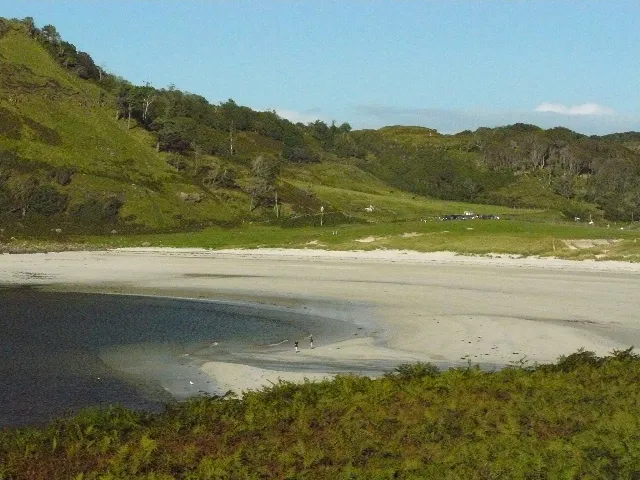
Mull rewards patience more than mileage. A sheltered bay with rocky skerries, a flat shore road and a bit of woodland edge will give you more wildlife moments in a weekend than a rushed tour of every famous viewpoint. Seals haul out on the same rocks, shorebirds work the same tideline and deer drift into the same fields at dusk. You do not need to find them every day. You need to be in the right place when they turn up.
That is why a cottage overlooking a working shore can be better than a grand house with a distant sea view. Look for water with something in it: exposed rocks, weed, mudflat, a little channel. Open blue water is lovely, but it is often empty.
What a wildlife-friendly cottage looks like
When you are booking, ask a few practical questions. A good owner will know the answers, and the answers will tell you more than any star rating.
- Is there a sheltered outdoor spot? A porch, a garden bench or even a wide windowsill makes a difference when the wind is up. You want somewhere to sit with a flask without being sandblasted.
- How dark is it at night? Security lights and floodlit car parks are friendly to arrivals, less so to wildlife. Ask if outside lighting can be switched off or kept low.
- Is there a flat shore path nearby? Ten minutes on foot to a safe, traffic-light stretch of coast is worth more than a long drive to a famous beach.
- Is there somewhere to dry gear? Coastal weather does not read the forecast. A drying room, boot rack or even a warm radiator matters.
- Does the owner leave binoculars or a telescope? Not essential, but a nice sign that they expect you to look out of the window. If you are bringing your own, 8x42 binoculars are a sensible all-round choice for seals, birds and deer.
- What is the dog policy? If you are bringing a dog, check that you can keep it close and under control around livestock and shorebirds. A wildlife stay and a lead-first stay are the same thing.
Three low-effort wins
Seals without a sea safari
Mull’s coast is good for both grey and harbour seals. Find a bay with rocky skerries or a low shoreline and scan at low tide. Seals often lie up in loose groups, looking like grey pebbles until one lifts its head. Early morning and late afternoon are good, but the tide matters more than the clock.
Watch from the shore or from the cottage window. If heads come up and seals start to move towards the water, you are too close. In autumn and winter, grey seal pups may be on shore, so give mothers plenty of room and keep dogs well back. A telescope is useful here because it lets you watch without leaning over the edge.
Shorebirds on the flat
Flat shore paths are underrated. Oystercatchers, curlew, redshank, herons and eider ducks all use the same easy ground you do. In winter, look for divers and grebes out on the water, and geese moving between fields and the shore. Walk slowly, stop often and use your binoculars rather than stepping closer. If a bird stops feeding and watches you, back off a little.
Deer at dusk
Red deer are crepuscular, which is a polite way of saying they prefer the edges of the day. The last hour of light is the best hour. Look at woodland edges, rough grazing and the quiet fields behind the shore. Stay by the road or in a lay-by, use binoculars and keep voices low. A red torch is kinder than a white one if you are walking back after dark.
A gentle day that still feels like a holiday
Start with coffee and a scan of the bay. Eat breakfast properly. Walk twenty minutes along a flat shore road, then turn back. Have lunch. Read. Scan again. Drive five minutes to a quiet field edge at dusk and watch the light go. That is not a lazy day on Mull. It is a well-timed one.
If you are based around Craignure, Salen or Lochdon, you can build a short break like this without committing to a hill. The point is not to tick off species. It is to notice what the tide and the light are doing, and to be there when something happens.
Watching well, from sofa or shore
Responsible watching is mostly about distance and behaviour. Stay on paths and shore roads. Do not play bird calls to pull wildlife closer. Do not feed seals or deer. Keep dogs on a lead around livestock and shorebirds. Pull into passing places rather than stopping in the road. If your presence changes an animal’s behaviour, you are too close, even if you are using a lens.
Mull is not a zoo with a sea view. That is the joy of it. A quiet cottage, a flat path and a bit of patience will give you a wilder weekend than a checklist of long walks — and you can still be back for the kettle.