The Dog Came Too: A Lead-First Guide to Mull's Coast and Countryside
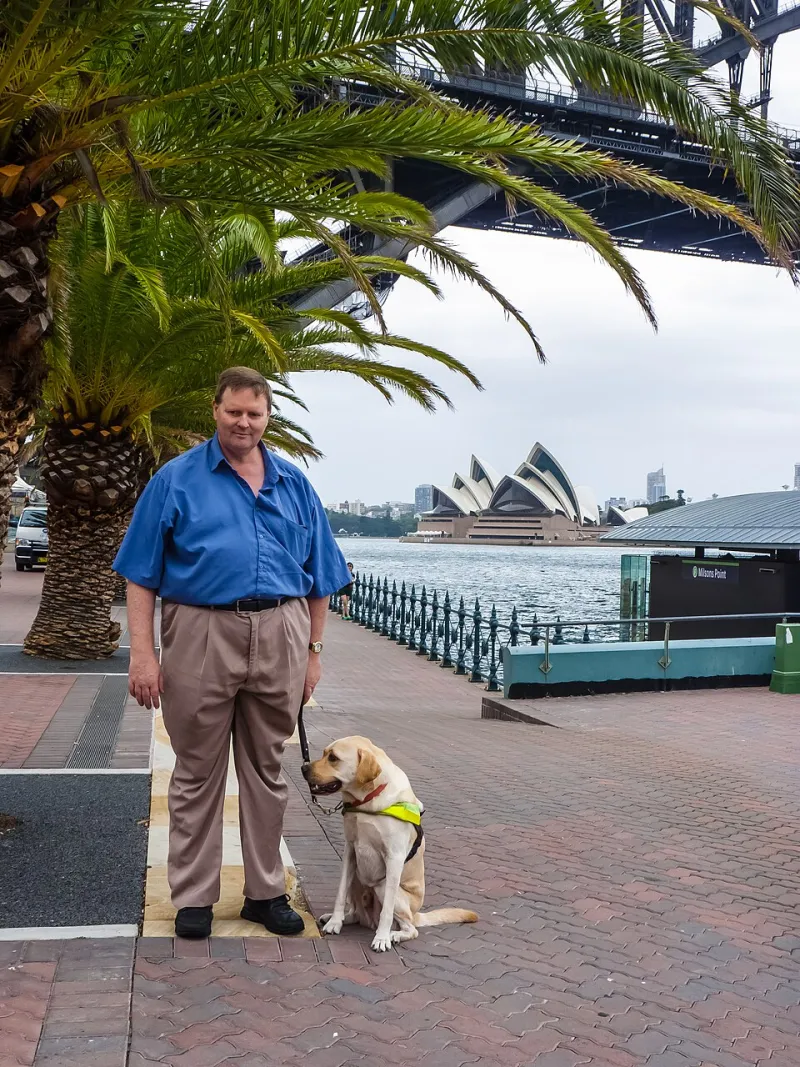
Photo: John Robert McPherson, CC BY-SA 4.0, via Wikimedia Commons
Mull is a generous island for dogs in the broad sense: wide skies, big beaches, woodland edges and a general acceptance that a wet spaniel will occasionally appear in a pub doorway. It is also working countryside, with sheep in fields, cattle on tracks, ground-nesting birds in spring and wildlife that deserves more space than a wagging tail allows. The trick is not to find the single perfect dog walk. It is to build a day from small, sensible pieces, with the lead handy and the weather treated as part of the plan rather than an interruption.
Before You Book: Ferries, Cottages and the Fine Print
Start with CalMac. Dogs generally travel free on the main ferry routes, but rules vary by vessel and sailing, so declare the dog when you book and check the current advice for your route. On some ships dogs stay in the vehicle or a designated pet area; on others they can be on deck in the open air. Keep the lead on, keep the dog out of food areas, and do not leave it alone in a parked car on the vehicle deck. Arrive with time to spare, walk the dog before boarding and carry water. If your dog is anxious on boats, a familiar blanket and a shorter lead are more useful than a heroic attitude.
For the cottage, read the dog policy properly. A property that accepts dogs is not automatically a property that suits them. Check whether the garden is genuinely enclosed, whether sheep or cattle are next door, whether dogs are allowed upstairs, and what the cleaning charge covers. Bring old towels, a throw for the sofa, a crate if your dog uses one, and a plan for muddy paws. The best dog-friendly cottages are the ones where you can relax without spending the week apologising.
The Lead Question
Mull is not a place for the philosophical off-lead debate. Livestock comes first. Sheep and cattle are everywhere, often behind fences that look more decorative than secure, and a dog that has never chased anything in its life may discover a new hobby on a Mull hillside. Close gates. Use stiles carefully. Put the lead on before you reach the field, not after you see the sheep.
Spring and early summer add another layer. Curlew, lapwing, oystercatcher and skylark nest on open ground, including beaches and rough pasture. A dog running a wide arc across a beach can disturb birds without meaning to. Between April and July especially, keep dogs close on open ground and on the lead where notices ask for it. The same applies near cliffs, burns and rocky shorelines, where the scenery is lovely and the edges are not.
Wildlife is part of the deal. Otters, seals and eagles are not there for a closer look. If an otter is fishing, watch from a distance and move on quietly. If a seal haul-out is busy, give it a wide berth. A dog on a lead is still a dog; keep it close and keep moving.
Tobermory and Around: Short Walks With a Dog
Aros Park is the easy win. Just south of Tobermory, it has woodland paths, a waterfall, shoreline glimpses and enough variety for a short leg-stretch in almost any weather. Dogs should be on the lead in the main visitor areas and anywhere livestock or wildlife might be present. It is not a wilderness expedition, which is exactly why it works after a ferry or before a pub lunch.
The path towards the lighthouse at Rubha nan Gall is short but not always straightforward, with a narrow access road and uneven ground. It is a good fair-weather option rather than a wet-day certainty. For something simpler, use the town itself: a stroll along the harbour, a sniff around the quieter lanes and a stop where the dog can settle under the table. Tobermory is hilly, so a short lead is kinder than a long flexi on busy pavements.
Salen and the North-East: Easy Miles
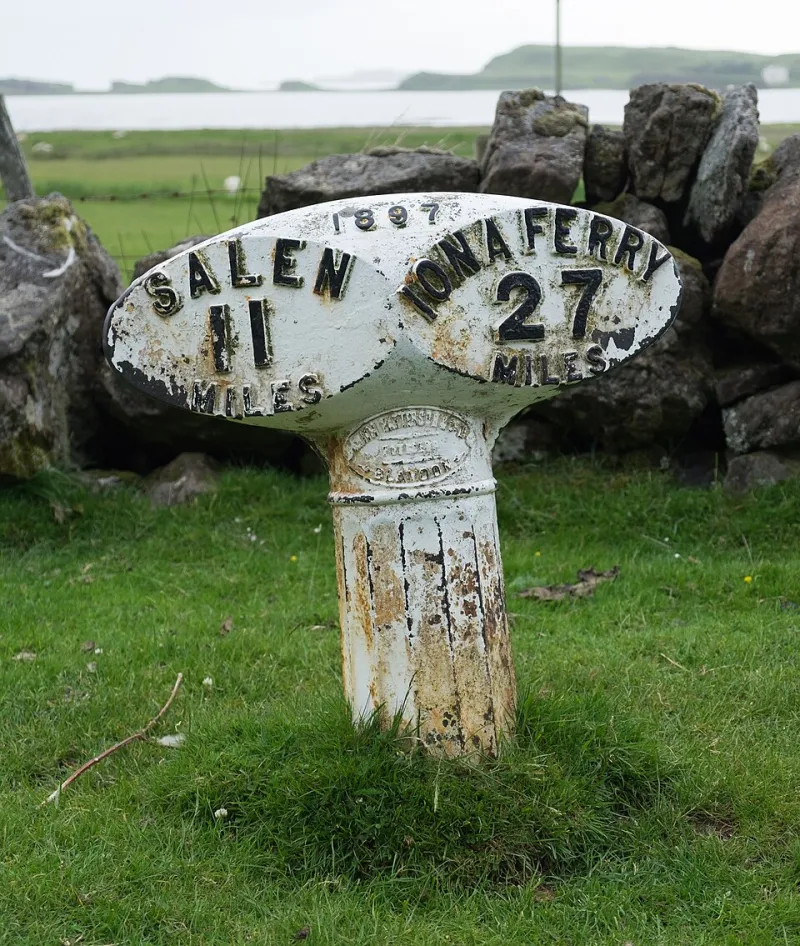
Salen Bay is a useful low-effort stop. The shore path and the short climb towards Aros Castle give you a view, a bit of history and a chance to stretch legs without committing to a full afternoon. Ground can be muddy, and there are usually sheep somewhere in the picture, so keep the lead on and check the tide if you are tempted by the shoreline.
This is also good ferry-day territory. If the boat is delayed or you are waiting for a check-in window, a short walk here is more sensible than a rushed detour up a single-track road. Have a towel in the boot and a water bottle in the door pocket. The dog does not need a dramatic itinerary; it needs a sniff, a wee and a return to the car before everyone gets tired.
Ross of Mull: Beaches, Crofts and Big Skies
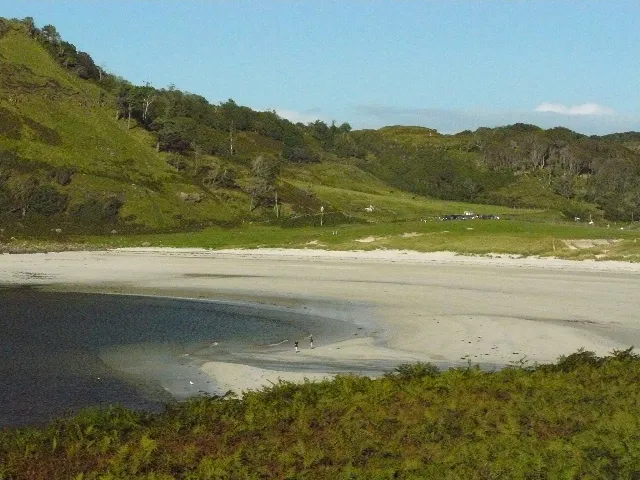
Uisken and Ardalanish are the reliable pair for a coastal dog day. Both have sand, space and that Ross of Mull sense of openness. They also have crofting land, livestock and weather that can change its mind. Keep dogs on the lead near houses, fields and sheep, and use the beach itself only where access is clear and birds are not nesting. Parking is limited, so arrive early or have a backup.
Fionnphort is more working harbour than play beach. It is a fine place to stop, but keep the dog close around the ferry traffic, slipway and visitor bustle. If the wind is up, choose a sheltered woodland or an old road rather than a exposed beach. The island is small enough that flexibility beats a fixed plan.
The Wet-Dog Plan
Bring more towels than you think. A wet dog on a cottage sofa is a test of friendship, and most dog-friendly places would rather you used the throw. Rinse sandy paws before they reach the carpet. Check for ticks after rough ground and long grass. Carry poo bags and use the bins you find; if there is no bin, take it with you. And do not leave the dog in the car while you nip into a shop, even on a mild-looking day.
Finally, build in a pause. A good Mull day with a dog often looks like this: a short woodland walk, a harbour stop, a beach in the afternoon and an early return before the weather turns. It is not glamorous, but it is the version that works, and it leaves everyone, dog included, willing to do it again tomorrow.