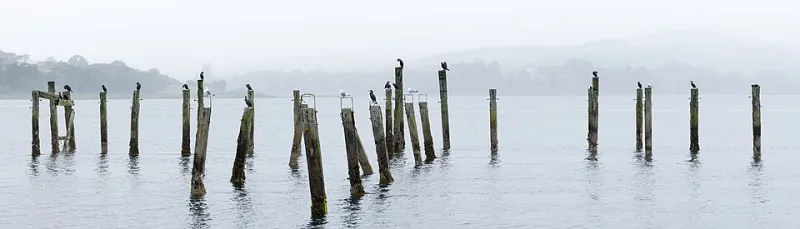
The Long View: Winter Seal Watching on Mull, Done Gently
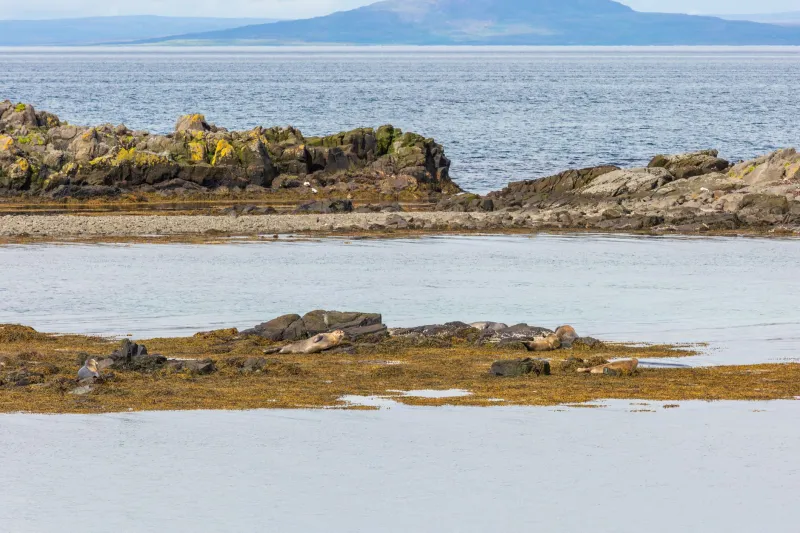
Winter on Mull has a particular quality. The crowds have thinned, the midges have packed up, and the coast takes on that low, silvery light that makes even a familiar shoreline look new. It is also the season when grey seals are hauling out to pup and rest, which means a walk on the right shore can offer one of the best wildlife encounters in Scotland — provided you keep your distance.
This is not a guide to getting the closest photograph. It is a guide to choosing a viewpoint, reading the day, and knowing when to leave the seals in peace. Done properly, the long view is the better one anyway.
Why winter is the season — but not a photo opportunity
Grey seals around the Hebrides give birth in the autumn and early winter, with pupping stretching from September into December and the animals lingering on shore afterwards to rest and moult. A fluffy white pup on a beach is a genuinely extraordinary sight. It is also an animal that is vulnerable to disturbance, and a mother that is repeatedly pushed into the water may abandon her pup altogether.
The temptation to creep closer is understandable. Resist it. A seal that lifts its head, shuffles towards the sea or stares in your direction is telling you something. The correct response is to back away quietly, not to wait for a better shot. On Mull, where much of the coast is accessible by single-track road and short walk, it is easy to think you are alone. You are not: other people follow the same pull-ins, and a small crowd can form quickly.
Pick a viewpoint, not a beach
The simplest rule of thumb is to watch from above and from a distance. A cliff-top path, a raised shore road or a grassy bank well back from the water will almost always give you a better view than standing on the same beach as the seals. Use binoculars or a spotting scope; a 10x42 pair is plenty for most coastal walks, and a scope on a tripod turns a distant haul-out into a proper hour of watching.
Keep low if you are on open ground, keep your voice down, and keep dogs on a lead. Avoid blocking the line between seals and the sea — that is their escape route, and cutting it off causes stress even if you mean no harm. Drones are a non-starter: they disturb wildlife and are not welcome around sensitive sites. And if there is signage asking you to avoid a particular stretch, take it at face value rather than assuming it is aimed at someone else.
Three gentle winter walks that keep their distance
Loch na Keal shore, between Killiechronan and Gruline. A low-level stretch of coast road and shore path with plenty of places to stop and scan the water. In winter the light comes across the loch from the south, and you can often pick out seals hauled out on the far shore without leaving the roadside. It is a good option when the weather is changeable, because you are never far from the car.
The Treshnish coast path. Higher ground, bigger views, and a genuine sense of exposure. The path runs above the shore rather than along it, which makes it a natural fit for distance watching. Check the forecast before you go: this is not a walk for a day when the wind is doing its worst.
Fidden and Knockvologan, near Fionnphort. A beautiful, tidal, white-sand edge of Mull that rewards careful timing. The ground here is low and open, so keep to the landward side of the dunes and use the raised ground where you can. This is also a place where tides move quickly; a route that looks straightforward at low water can become cut off.
Reading the day: tide, wind and light
Winter walking on Mull is mostly a matter of respecting the short day. Daylight can be gone by half four, so plan a morning start and carry a headtorch even on a bright forecast. Check tide tables before you set out — not just for the walk itself, but for the drive and any beach access. A big spring tide combined with an onshore wind can push water further up the shore than you expect.
Wind matters too. A strong south-westerly makes the exposed west coast feel raw, and it also makes seals harder to see because of the chop. Sheltered east-coast options such as the shore around Salen or the quieter inlets near Craignure can be a better bet on a blustery day. Phone signal is patchy across much of the island, so tell someone your rough plan and carry a paper map or a charged offline map.
The honest bit: when to turn around
There is no shame in abandoning a walk. If the seals are already alert before you have settled, if a pup is on its own and you cannot see the mother, or if other visitors are edging closer, the kindest thing is to move on. A lone pup is not necessarily abandoned — mothers often leave them while they feed — but your presence nearby can keep the mother from returning.
Turn back if the tide is filling faster than you expected, if the wind is pushing spray over the path, or if the light is going earlier than the forecast suggested. And if you arrive at a car park to find a cluster of people with long lenses pointed at the same beach, consider giving that spot a miss and trying somewhere else another day.
Kit and practicalities
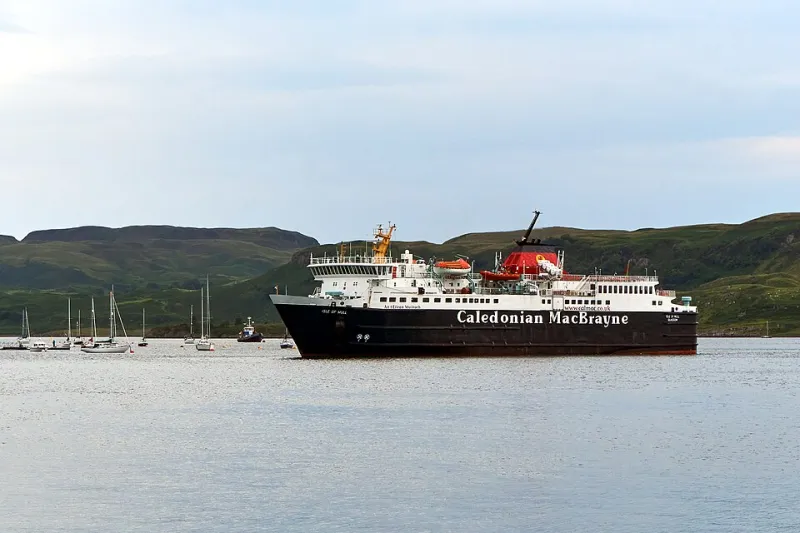
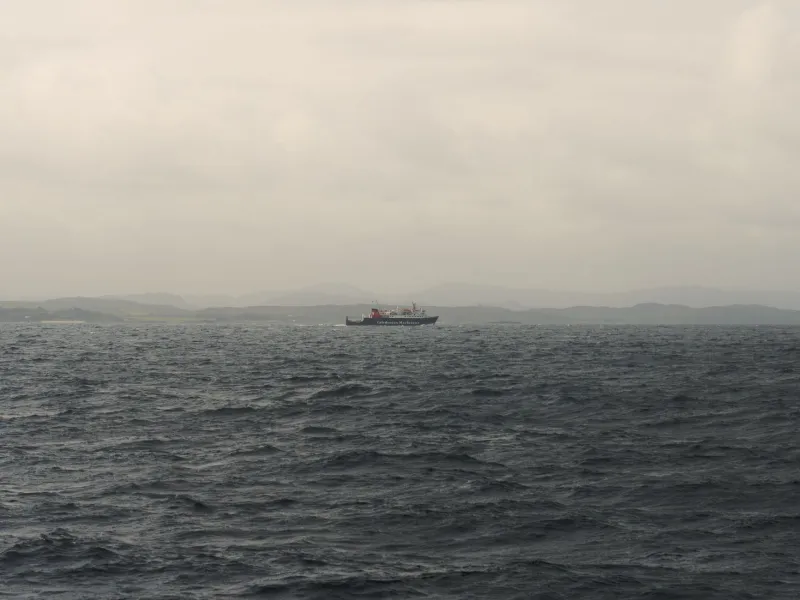
A warm layer, waterproof shell, hat and gloves are baseline winter kit on Mull. Add binoculars, a flask, and a tide table. CalMac's winter timetable has fewer sailings than summer, so build a little slack into your day rather than trying to squeeze a walk in before the last boat. Many cafes and shops run reduced winter hours, particularly on Sundays — check ahead if you are counting on a hot lunch.
A quiet bargain
The best winter wildlife watching on Mull is not about getting close. It is about being patient, choosing the raised ground, and accepting that the seals are doing something far more important than posing. Give them the space and they will reward you with behaviour you would never see at ten paces: mothers hauling out, pups shuffling about, the slow, deliberate business of a colony at rest.
Bring the binoculars, bring the flask, and leave the selfie behind. The long view is the one worth keeping.